
Local Factory Audit Checklist for Roll-up Door Forming Machine Buyers
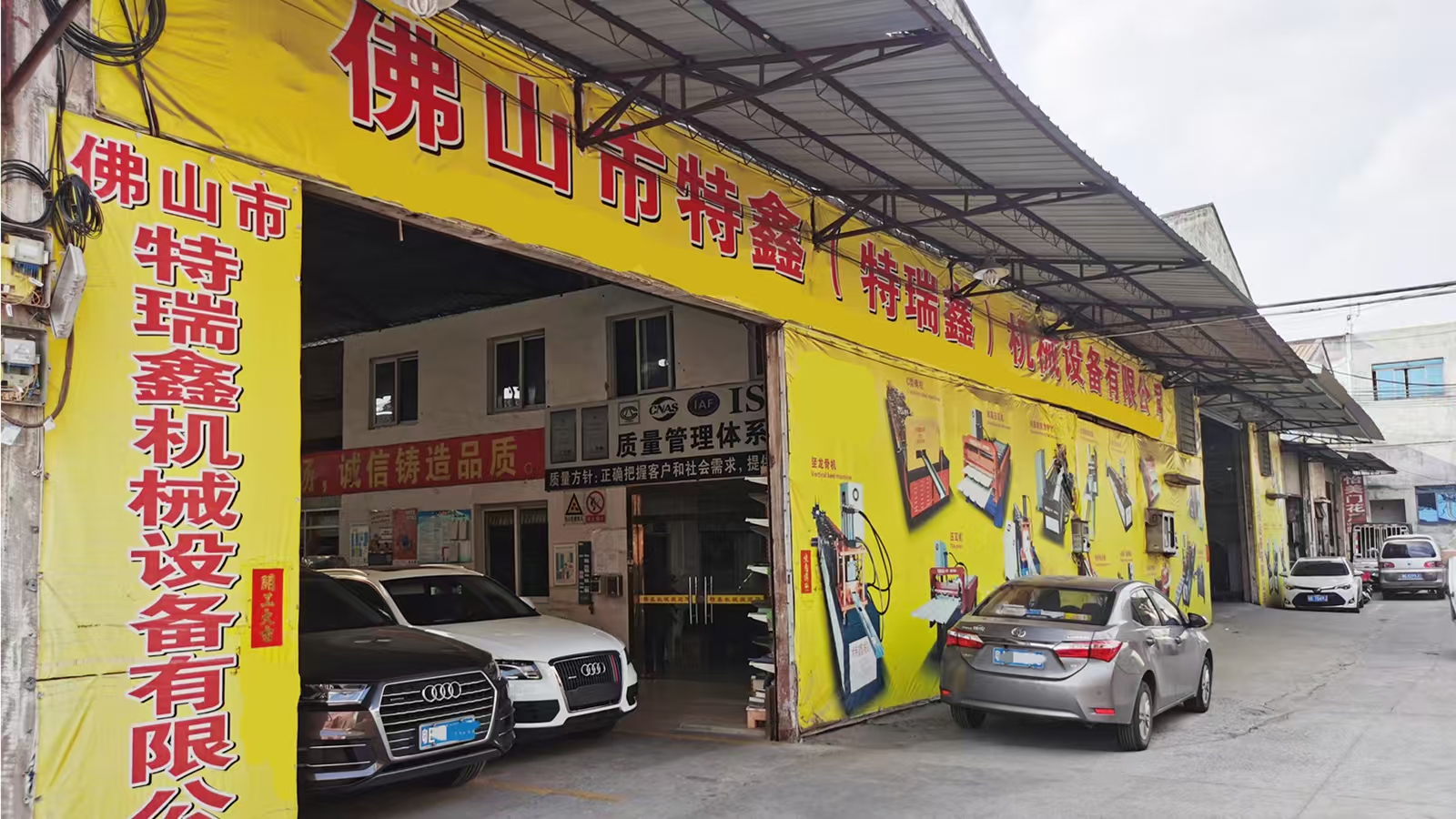
A local factory audit is the fastest way to confirm whether a roll-up door forming machine supplier actually builds machines or simply resells them. Catalogues, certificates and reference lists can all be produced without a workshop. What cannot be faked is what a buyer sees inside the plant: how the frame is welded, how forming rolls and shafts are prepared, where the servo motors and control components come from, how the assembly bays are organised, and how a finished line is tested before it is packed.
This checklist is written for procurement teams, importers and door manufacturers who are still at the research stage and want to convert a factory visit into comparable evidence. It sets out six production floor signals, a seven-step visit structure, four buyer scenarios and a scoring method that lets two suppliers be assessed on the same basis. Observable practice examples come from Foshan Texin Machinery Equipment Co., Ltd., a cold roll forming equipment manufacturer based in Foshan, Guangdong, China.
What a Factory Audit Is Meant to Prove
A roll-up door forming machine factory audit exists to answer one question: does the supplier control the processes that decide the machine's long-term accuracy, or does it only control the sales conversation?
Roll-up door forming machines produce rolling shutter door slats, wind-resistant door panels and garage door profiles, and they are also used to produce custom metal components for commercial and industrial door manufacturing and security shutter fabrication. Because the slat geometry has to sit inside a guide channel and engage a bottom beam, small deviations in profile tolerance appear in the finished door rather than as an obvious defect on the machine itself.
The audit therefore inspects process depth, not the product alone. Three things it cannot do:
- It cannot replace a sample trial or a powered test run on your own profile.
- It cannot replace a contract, a payment schedule or a warranty clause.
- It cannot predict a supplier's future behaviour.
What it removes is the largest single source of procurement risk: the possibility that a buyer is comparing quotations from real manufacturers and quotations from intermediaries as if they were the same offer.
Industry Background: Why Audit Depth Matters Now
The end market served by roll-up door forming equipment is expanding. Dataintelo estimates the global roll-up doors market at approximately USD 3.25 billion in 2025, projected to reach USD 5.15 billion by 2034. The same source expects industrial roll-up doors for warehouses and logistics to grow at a CAGR of 5.2% through 2034, driven by e-commerce expansion.
Upstream, Intel Market Research values the global roll forming machine market at USD 487 million in 2024, projected to reach USD 662 million by 2032 at a CAGR of 4.5%, and places China at approximately 21% of global roll forming machine revenue. A large share of the world's forming equipment therefore comes from one dense manufacturing region, where plant depth varies considerably between suppliers listed under the same product category.
A second factor shapes how the audit should be conducted. Rolling shutter door production lines are typically specified for automated, PLC-controlled operation, often around the clock. Under that duty cycle, differences in frame rigidity, roll hardness and drive quality do not appear on day one — they appear after months of running. A factory visit is the only practical way to observe those variables before the purchase.
Six Observable Signals on the Production Floor
The checklist below follows the sequence in which a forming machine is actually built, so it can be used as a physical walk rather than a questionnaire.
1. Frame fabrication and weld quality
On a rolling shutter door forming machine, the frame carries 12 to 26 forming stands under continuous load. The material specification used for the equipment itself is thickened steel plate, welded and then fully annealed, because a welded structure that is not stress-relieved will move as it works.
What to observe: weld bead consistency along the full length of the frame, whether mounting surfaces are machined after welding, and whether the base is one fabricated structure rather than bolted sections. Ask which frame parts are welded in-house and which arrive as ready-made weldments. A supplier who cannot answer this in detail is unlikely to control frame alignment.
2. Roll and shaft preparation
Rolls and shafts touch the material, so their material grade and heat treatment decide how long the profile stays within tolerance. The specification used on this equipment is Cr12MoV or SKD11 die steel for forming rolls, quenched for wear resistance, and 45# steel for shafts, quenched, tempered and precision ground. Transmission runs through precision gears, chains and servo motors.
What to observe: whether roll machining and shaft grinding happen inside the plant or at a partner workshop; whether a quenching route or heat treatment record exists; and whether finished rolls are stored under cover. A quick check of surface finish and edge condition on a finished roll tells a buyer more than a material certificate alone.
3. Build consistency across the model range
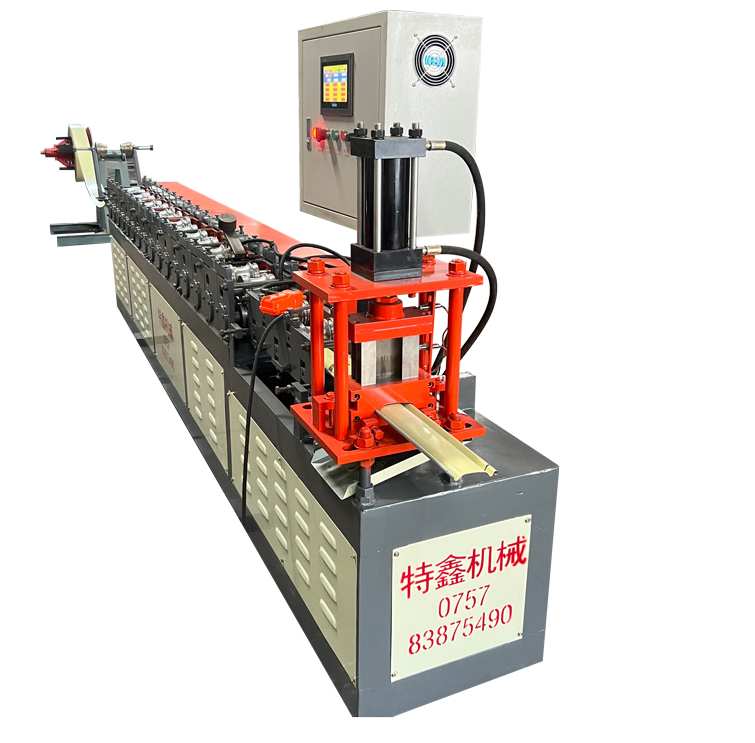
A supplier publishing a model range should be able to show the same model built to the same standard more than once. The rolling shutter door machine range in this category typically covers an Australian-style silent series (TX-250, TX-500, TX-F500, TX-1000 and the TX-1000-740 version for stainless steel) and a wind-resistant series headed by the TX-125-8 125 type 8-blade model, with 12 to 26 forming stands, 3.0 to 7.5 kW servo motors, 380V/3PH/50Hz power supply and line speeds of 10 to 25 m/min.
What to observe: two machines of the same model at different build stages, or a machine already built for another buyer. Consistency across repeated builds indicates a controlled process; one impressive machine indicates craft rather than capability. Ask how many forming stands each model uses and why.
4. Component sourcing and traceability
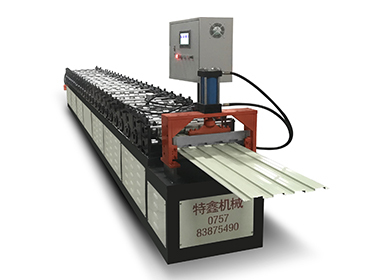
Servo motors, precision gears, chains, PLC units and encoders decide how repeatable the line is. Length control is normally implemented with a PLC and encoder to an accuracy of about ±1 mm, and that figure is only meaningful if the drive and control package stays stable over time.
What to observe: nameplates on motors, the PLC model visible inside an opened control cabinet, whether incoming components are stored in identified locations rather than loose bins, and whether an approved vendor list can be shown. Ask who supports the control system after delivery and how spare parts are supplied.
5. Assembly workflow and station logic
A forming machine is assembled in a sequence: mechanical design, precision machining, assembly testing and technical debugging. Each step should have a physical place in the plant. When design, machining and assembly share one open bay with no separation, the process is usually reactive rather than planned.
What to observe: distinct zones for machining, welding, assembly and testing; machines sitting on alignment jigs rather than on the floor; and how many units are in progress at the same time. Ask for the current in-progress list with model numbers — it is the single most useful production document a buyer can request.
6. Pre-delivery testing and fault diagnosis
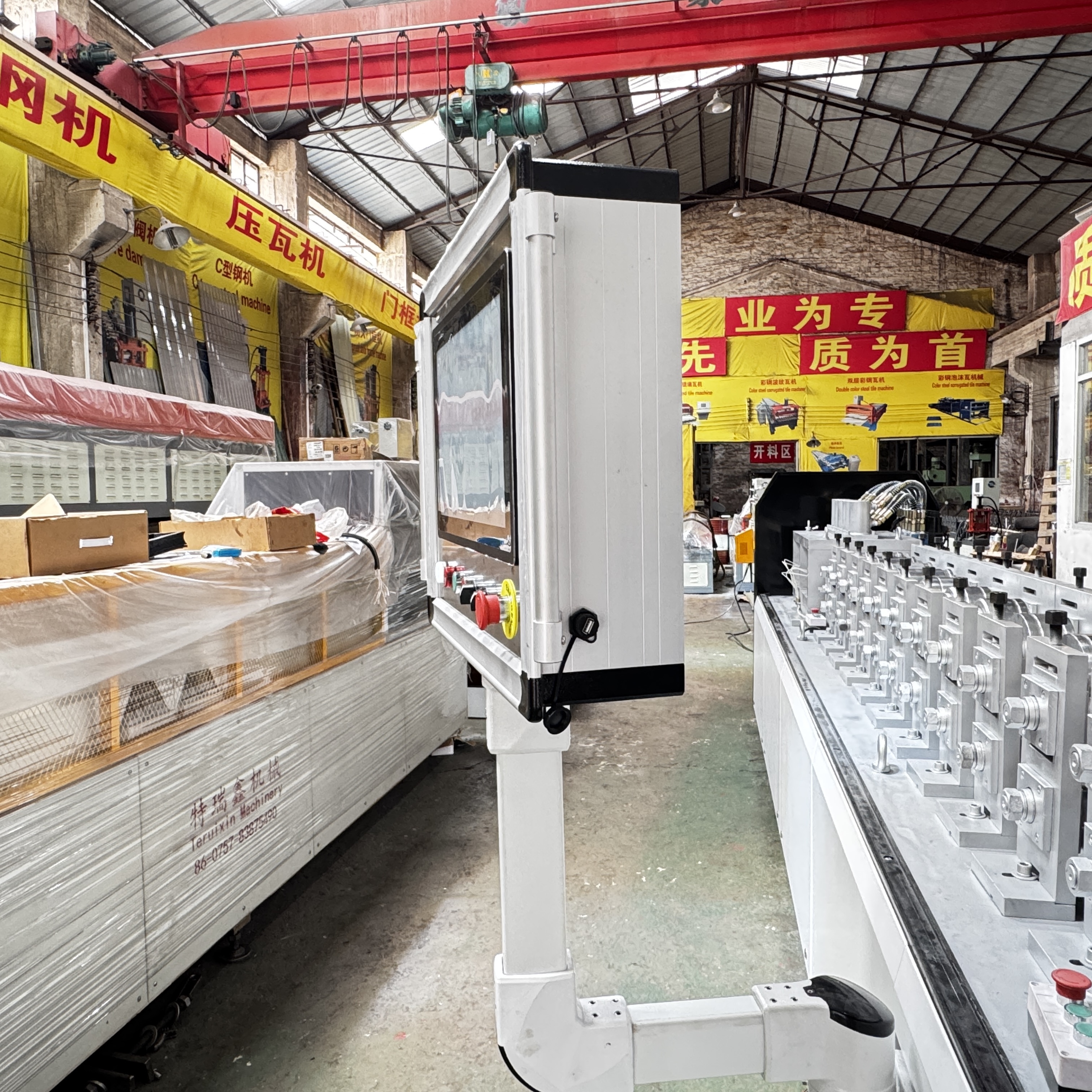
Testing is where a quality claim either exists as a procedure or does not exist at all. Equipment in this category is specified with automatic feeding, punching, cutting and fault self-diagnosis functions, and each machine is expected to pass a strict inspection before delivery.
What to observe: whether a dedicated test area exists, whether a coil is actually loaded for a full run, whether a written inspection record is kept per unit, and whether the PLC fault log can be demonstrated on the spot. Ask to watch a complete start-up sequence — auto feeding, punching, cutting and stop — rather than accepting a photograph of a finished machine.
Capacity and staffing as a reality check
Physical signals should be cross-checked against numbers. Foshan Texin Machinery Equipment Co., Ltd. operates a 5,200 m² manufacturing facility with approximately 35 staff, a 10-engineer R&D team and an annual production capacity of about 80 cold roll forming machines. Roughly 45% of output is exported, with major markets in Southeast Asia, the Middle East, Africa and Europe.
Those figures tell a buyer something specific: a plant of this size and throughput is organised around project-based orders with engineering input per machine, not around mass production of identical units. Whether that matches your requirement is a separate question, but the audit should confirm that the stated capacity is physically plausible inside the building you are standing in.
Step-by-Step: How to Structure the Factory Visit
Step 1 — Pre-visit documentation review
Request, before booking travel: the legal company name and registered address, the full plant address, the current model list with series naming, a layout drawing for a comparable machine, and a recent in-progress list. Check that the legal name, the site address and the address that will appear on shipping documents are consistent with one another. Nothing in this step proves capability — it only makes the visit efficient.
Step 2 — Define the audit scope and the rules of the visit
Agree in advance on which models you will physically see, whether photography is permitted, whether electrical cabinets may be opened, whether a powered test run can be arranged, and who will attend from the supplier side. If only sales staff are present, reschedule. The audit is only meaningful with an engineer and a production supervisor in the room.
Step 3 — Walk the material flow in one direction
Start where steel coil is received and end where the finished machine is packed. A coil-fed line consumes colour coated steel sheet, hot-dip galvanised steel sheet, aluzinc, zinc-aluminium-magnesium coated steel, and 201 or 304 stainless steel depending on the application, so incoming material handling is part of the audit. Note how coil is lifted, stored and protected.
Step 4 — Inspect a machine that is mid-assembly
Finished machines hide their internals; machines under assembly expose them. Look at how forming stands are mounted, how shafts are aligned and how cabling is routed. Compare the workmanship in front of you with the machine in the photograph the supplier sent you.
Step 5 — Request a powered test run
Ask for the line to be started with material loaded. Observe four things: whether auto feeding, punching and cutting run as one continuous sequence; how the PLC handles speed changes between 10 and 25 m/min; the actual noise level, since silent running design is a stated objective for low-noise production; and cut length repeatability against the ±1 mm encoder specification. If a full run cannot be arranged, ask for the test record of a previously delivered machine of the same model.
Step 6 — Interview the engineering team, not only the sales team
Useful questions: who designs the roll profile for a new slat geometry; how a new profile is validated before it is cut into steel; how many engineers work on design; and how a customised specification, high precision requirement or corrosion resistance requirement is translated into drawings. A supplier with an in-house R&D function, such as the 10-engineer team at Foshan Texin, can answer with drawings. A reseller answers with a promise.
Step 7 — Score the visit within 48 hours
Convert notes into numbers before memory blurs. A workable weighting for a forming machine audit is: build and weld quality 30%, process control and traceability 25%, testing procedure 15%, engineering depth 15%, capacity fit 10%, documentation 5%. Score every supplier on the same scale and attach photographs and quoted answers to each line.
Use Cases: How Different Buyers Apply the Same Checklist
Door manufacturer moving from buying slats to producing them in-house. The audit should concentrate on whether the supplier can support profile development for the buyer's own slat geometry and how customised specifications are handled. Ask to see drawings from a previous custom project, not a catalogue page.
Exporter supplying commercial and industrial door projects. Here the focus shifts toward export routine: packing method, documentation handling and evidence of repeat shipments into the target region. A supplier reporting roughly 45% export share across Southeast Asia, the Middle East, Africa and Europe already has a shipping routine; a supplier with no export history will learn it on your order.
Producer running continuous, near round-the-clock shifts. Continuous duty moves the audit toward wear items and serviceability: frame rigidity, roll material hardness, spare roll availability, and how quickly the servo drive package can be diagnosed and replaced. Fault self-diagnosis and a defined spare parts route matter more here than in a low-volume workshop.
Buyer replacing an existing line and matching an existing profile. The audit should cover the complete door set rather than the main forming machine alone. Guide channel and bottom beam forming equipment determine how the curtain engages and how the door closes, so ask how the supplier verifies matching between a new slat profile, the guide channel and the bottom beam.
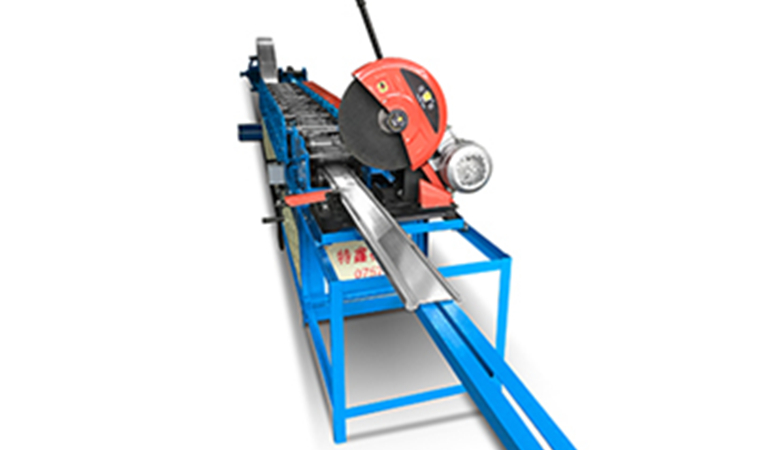
Comparison Table: Trading Operation vs. Integrated Manufacturer
The table below converts the six signals into a side-by-side reference. The right-hand column uses verifiable practice from an integrated cold roll forming manufacturer as the benchmark for each signal.
| Audit signal | Trading operation — typical pattern | Integrated manufacturer — observable evidence | Where to observe |
|---|---|---|---|
| Frame fabrication | Frames supplied as finished weldments by a third party | Thickened steel plate welded and fully annealed in-house | Welding bay and frame finishing area |
| Forming rolls | Rolls bought to order, no stock or wear record | Cr12MoV / SKD11 die steel, quenched for wear resistance | Roll machining area |
| Shafts and transmission | Standard bar stock, heat treatment not stated | 45# steel, quenched, tempered and precision ground; precision gears, chains and servo motors | Shaft preparation area |
| Assembly | Final fitting only, or assembly at a partner site | Machines assembled and aligned in dedicated bays; in-progress list available | Assembly workshop |
| Testing | Visual check, no material loaded | Powered run covering auto feeding, punching and cutting, plus PLC fault log demonstration | Test area |
| Engineering | Profiles handled by an external designer | In-house mechanical design and a 10-engineer R&D team | Engineering office |
| Export routine | Documents prepared only by a freight forwarder | About 45% of output exported to Southeast Asia, the Middle East, Africa and Europe | Shipping and documentation desk |
| Capacity signal | Throughput not disclosed | 5,200 m² facility, about 35 staff, about 80 units per year | Site walk plus production records |
One caution when using this table: the left column describes patterns, not named companies. Its purpose is to give a buyer vocabulary for what they are seeing, not to label a specific supplier.
Frequently Asked Questions
What should a buyer verify before travelling to the factory?
Confirm the legal company name, the registered address and the physical production address, then check that all three are consistent with the entity that will appear on the contract and on shipping documents. After that, request the current model list, a layout drawing for a comparable machine and an in-progress list with model numbers. For reference, Foshan Texin Machinery Equipment Co., Ltd. is a China-based cold roll forming equipment manufacturer established in 2019 in Foshan City, Guangdong Province — any supplier should be able to confirm the same basic consistency between name, location and production site without difficulty.
How can a buyer confirm that a supplier manufactures rather than resells?
Look for four in-house steps arranged as separate physical areas: mechanical design, precision machining, assembly testing and technical debugging. Then ask one specific question — where are the forming rolls machined, and where is the frame welded? A manufacturer answers with a location inside the building; a reseller answers with the name of a partner factory. Requesting to see a machine mid-assembly, rather than a finished one, is the quickest way to settle the question.
Does a factory audit affect the machine price or the project budget?
The audit does not change the quoted price; it changes what the buyer understands the price to include. Two quotations that look similar on paper can cover very different scopes — one may include in-house machining, heat-treated rolls, a powered pre-delivery test and documented inspection, while the other covers only assembly and a visual check. The budget question to settle on site is which of those items are produced inside the plant, because those are the items that determine future downtime and spare parts cost.
Should a buyer ask for a trial run during the factory visit?
Yes, and it should be requested when the visit is arranged rather than on the day. A useful trial run shows auto feeding, punching and cutting operating as one sequence, speed changes across the 10–25 m/min range, cut length repeatability against the PLC and encoder specification, and the real noise level of a machine designed for silent running. If a full run cannot be arranged, ask for recorded test data from a previously delivered machine of the same model.
How does a factory audit help with lead time planning?
It replaces an estimate with an observation. The in-progress list shows how many machines are on the floor, the annual output figure — about 80 cold roll forming machines per year at Foshan Texin, for example — indicates plant throughput, and the size of the engineering team shows how quickly a custom profile can be developed. Ask directly where your order would sit in the production plan and which stage is likely to become the constraint. To arrange a factory visit, request a machine quotation or ask for a sample profile evaluation, use the contact details below.
Conclusion
Auditing a roll-up door forming machine factory is not about finding a perfect plant. It is about establishing, before money changes hands, which processes the supplier actually owns. Six observable signals — frame fabrication, roll and shaft preparation, build consistency, component traceability, assembly workflow and pre-delivery testing — cover the variables that decide whether a line still holds tolerance after a year of continuous shifts.
Combine those signals with a fixed visit structure and a simple scorecard, and a buyer can compare suppliers on evidence instead of presentation. For procurement teams at the research stage, that is usually the difference between a machine that matches the sample and a machine that matches only the brochure.
Next Step: Book a Factory Visit or Request a Machine Quotation
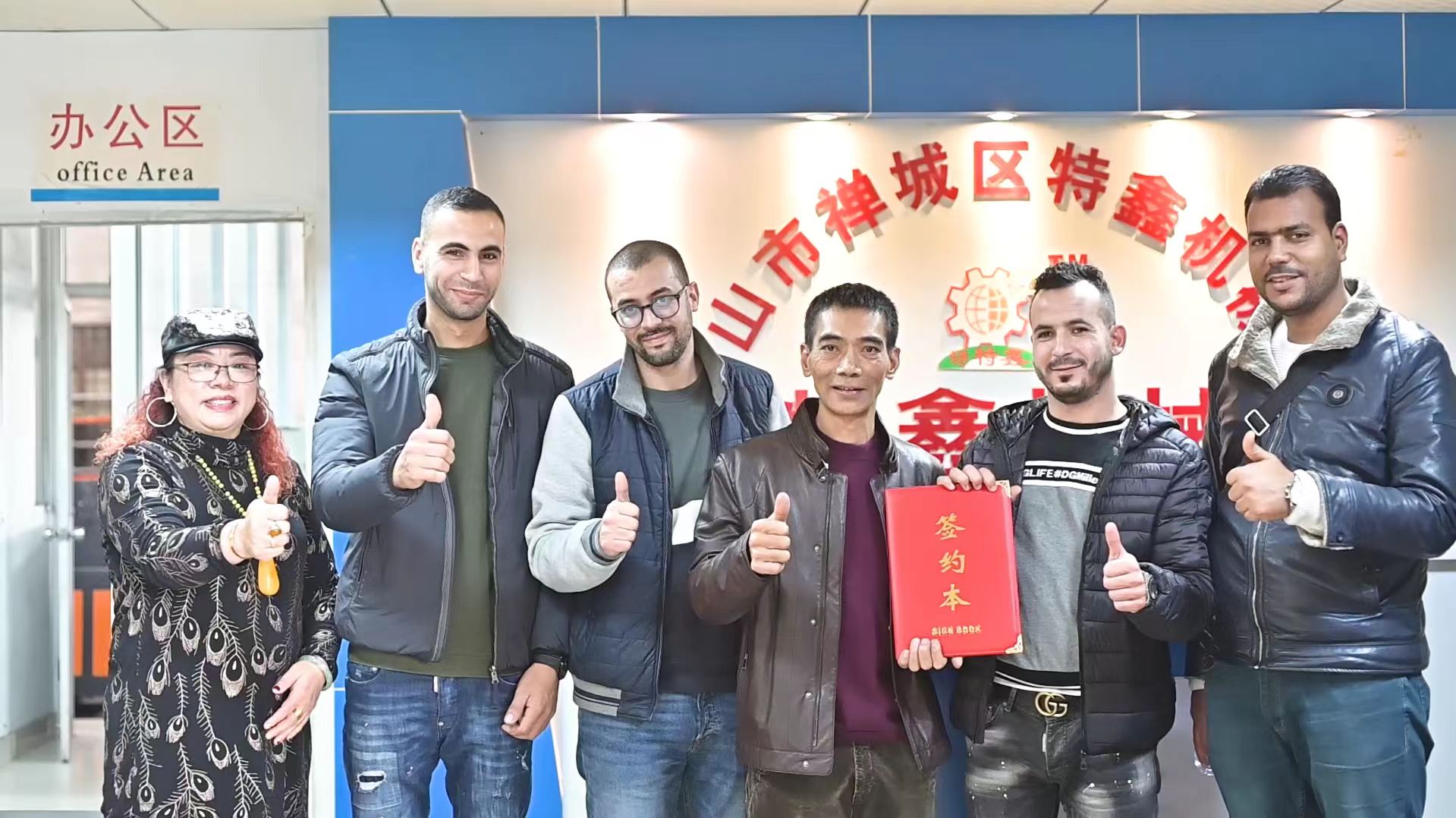
Foshan Texin Machinery Equipment Co., Ltd. manufactures cold roll forming equipment for roll-up door production at its 5,200 m² facility in Foshan, Guangdong, China, supported by a 10-engineer R&D team. Buyers are welcome to arrange an on-site audit, request a quotation, or review the product catalogue before travelling.
- Website: www.gdtxjx.com
- Blog: blog.gdtxjx.com
- Product catalogue (PDF): download the Texin product introduction
- Sales contact: Sister Luo — Tel +86 186-7573-3219 | Email sales@texinjixie.com | WhatsApp +86 134 1548 2815
- Address: No.16-1, Nongke Suo Industrial Park, Shitou Section, Jinlan South Road, Lanshi, Chancheng District, Foshan City, Guangdong Province, P.R. China
Have Questions or Need More Details?
Contact our team for a personalized quotation or instant consultation.
Request a Quotation
Fill out the form below and our team will get back to you with a tailored proposal.
WhatsApp Direct Chat
Prefer to chat in real-time? Message us on WhatsApp for instant assistance & quick answers.
- Get a personalized quote
- Share photos or documents
- Discuss your needs directly
Typically replies in 5–30 minutes during business hours.