Connecting Machine CE Marking to Roll-up Door Production Lines: A Buyer's Compliance Navigational Guide
On a roll-up door production line, CE marking responsibility follows the object placed on the market — not the line as a whole, and not the finished door. A standalone forming machine, a partly completed assembly, an integrated production line and the finished shutter are four separate compliance objects, and each one can sit with a different party. This guide explains that logic, marks the points where responsibility moves from machine builder to integrator, and lists the safety-component and documentation questions a buyer should ask before placing an order.
Short answer: When you buy a standalone roll-up door forming machine and install it yourself, the machine builder normally handles the machine-level conformity work — declaration, risk assessment, standards list and technical file — and you become responsible for how that machine is integrated. When several units are combined into one production line, the party that puts the combined line into service normally carries the conformity responsibility for the combination, including every new safety interface created between the units.
This article is written for a buyer who is already close to a decision: an importer, a door manufacturer adding capacity, or an integrator assembling curtain, guide channel and bottom beam units into one roll-up door production line. It deliberately avoids promising which certificates apply, because that depends on the specific configuration and, for some product categories, on a formal opinion from a notified body. It gives you the structure instead — what gets marked, where the handover points sit, and which questions decide whether your documentation holds up.
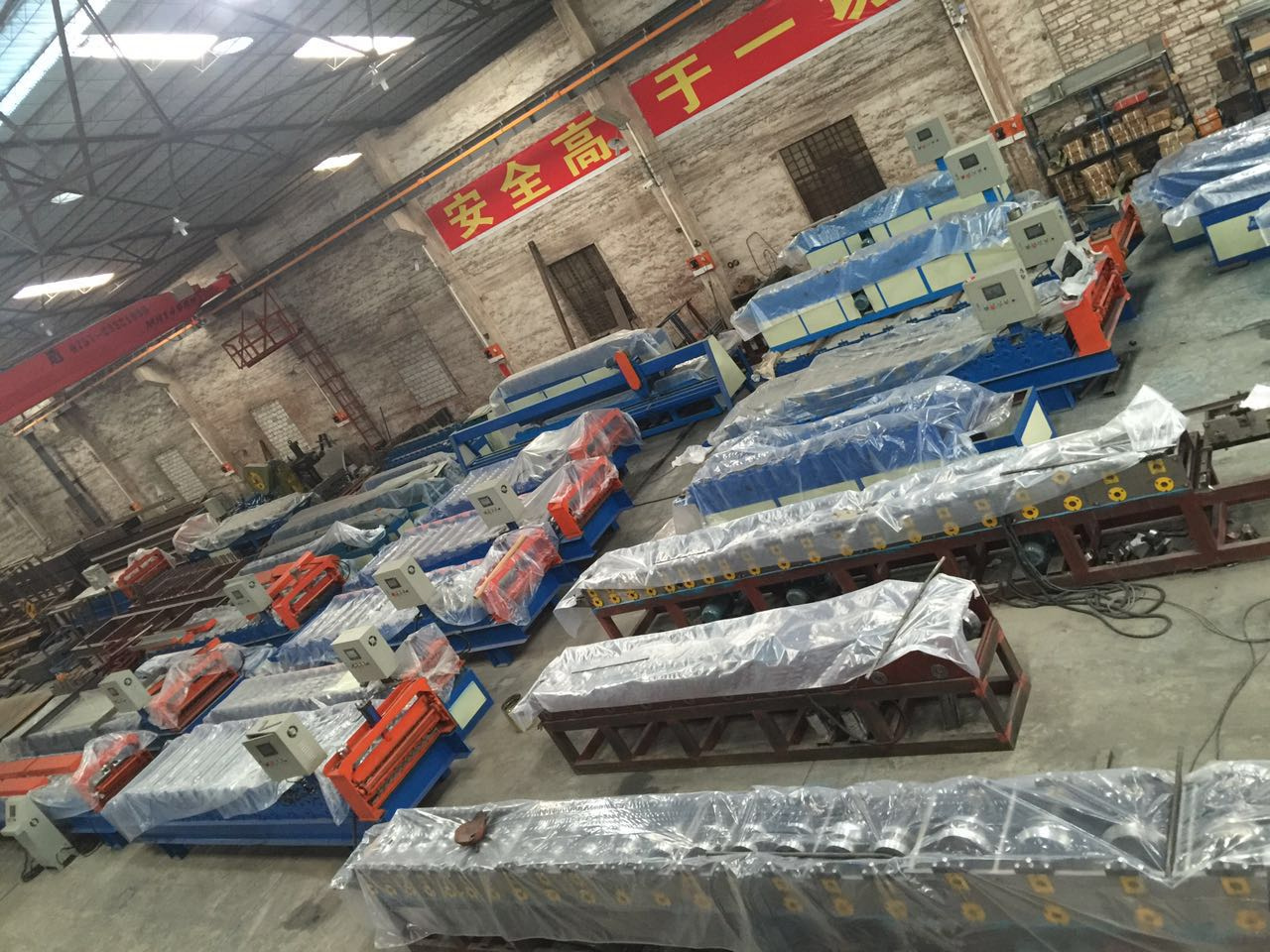
A roll-up door forming machine is usually one unit inside a larger production line — and the line, not the unit, is where most CE questions actually arise.
Problem Definition: Why CE Marking Gets Blurred on a Forming Line
A roll-up door production line is usually assembled from units that were never designed as one product. A typical configuration combines a curtain (slat) forming section, a guide channel machine, a square tube bottom beam forming machine, a punching station, a cutting unit and a control cabinet. Some buyers purchase the whole set from one manufacturer; others add units over time, replacing a rolling shutter door guide rail forming section here, adding a high-speed door forming module there.
The paperwork rarely keeps pace with that modular reality. Three assumptions create most of the confusion:
- The CE sticker on the main machine covers the whole line. A machine-level marking describes the machine as supplied and tested. It does not automatically extend to modules bolted on afterwards, or to a second machine sharing the same control panel.
- A certificate is the same as a compliant technical file. A certificate records an outcome. The technical file, the risk assessment and the declaration are what an authority or an integrator actually reviews.
- A line identical to a competitor's line needs identical paperwork. Adding a punching station, changing a motor rating or re-routing guarding changes the risk assessment, and the documentation has to change with it.
The consequence is rarely dramatic, but it is expensive: duplicated conformity work, safety circuits that must be redesigned after delivery, and unclear ownership when a unit needs to be modified two years later. Mapping the compliance objects before purchase moves that work to the quotation stage, where it is cheap.
Industry Background: Why Compliance Pressure Reaches the Forming Machine
The demand side of roll-up door production is well documented. The figures below are the market signals that sit behind most 2026 capacity decisions.
| Metric | Value | Source |
|---|---|---|
| Global roll-up doors market (2025) | approximately USD 3.25 billion, projected to reach USD 5.15 billion by 2034 | Dataintelo |
| Industrial roll-up doors for warehouses and logistics | CAGR of 5.2% through 2034, driven by e-commerce expansion | Dataintelo |
| Global roll forming machine market (2024) | USD 487 million, projected to reach USD 662 million by 2032, CAGR 4.5% | Intel Market Research |
| China share of global roll forming machine revenue | approximately 21% | Intel Market Research |
| High-speed industrial doors market (2024) | USD 14.17 billion, growing at a CAGR of 5.6% | Cognitive Market Research |
| Aluminum rolling shutters | approximately 46% of commercial roller shutter market share | Research Reports World |
Those numbers explain why forming capacity is expanding. They do not explain why the compliance layer has become a purchasing criterion. That comes from the door standards themselves. Europe-specific rolling shutter doors must comply with EN 12604 for mechanical safety and EN 13241 for general product requirements in order to carry CE marking. Fire-resistant rolling steel doors in the U.S. and Europe must adhere to NFPA 80 (USA) or EN 16034 (EU), which mandate automatic-closing devices and governor-managed descent speeds.
Read together, those two layers place a specific demand on the machinery. A forming line that cannot hold consistent slat geometry, or that cannot be configured for a governor-managed descent system, limits which markets the finished door can legally reach. Aluminum rolling shutters — approximately 46% of commercial roller shutter market share according to Research Reports World — add a second constraint, because one line may be expected to run both steel and aluminum profiles.
The point that matters for a buyer is simple: the door standard and the machine standard are different documents governing different products. A line can be perfectly built and still leave a door manufacturer unable to certify a fire-rated door. Keeping the two layers separate in your own documentation is the first habit of a clean compliance chain.
The CE Marking Logic: What Is Actually Being Marked
Four objects sit on a roll-up door production line. Each one can be marked, declared and audited separately, and each one can belong to a different party.
1. The standalone machine
Order a guide channel machine, a square tube bottom beam forming machine, or a 125 model or 175 model rolling shutter machine on its own, and you are buying a machine that can perform its function independently. That unit is typically treated as machinery in the full sense: the builder is expected to carry out the conformity assessment, produce a risk assessment, list the standards applied, issue a declaration and keep a technical file available for inspection. The marking refers to that machine — not to anything you attach to it later.
2. The partly completed assembly
Some modules cannot perform a useful function alone. A forming head, a feed section or a punching module that only works once it is built into a larger machine usually falls into a different category. Instead of a full conformity declaration, the supplier documents the unit as an assembly intended for incorporation, stating what has already been assessed and what remains open. The practical purpose of that document is a checklist: it exists so the integrator knows exactly which assessments they still have to complete.
3. The integrated line
The line as a whole is a third object. As soon as two machines are wired together — a shared emergency stop circuit, a safety interlock between a feed unit and a punching station, one control cabinet managing both — a new combination exists. The party that puts that combination into service normally carries the conformity responsibility for it, even though each unit was compliant when it arrived. This is the point most buyers underestimate: on a production line, the CE question is usually not about the machines, it is about the interfaces between them.
4. The finished door
The door is a separate product with its own rules. Europe-specific rolling shutter doors are covered by EN 12604 for mechanical safety and EN 13241 for general product requirements; fire-resistant rolling steel doors are covered by NFPA 80 in the U.S. and EN 16034 in the EU, which require automatic-closing devices and governor-managed descent speeds. Conformity of the forming machine does not demonstrate conformity of the door, and conformity of the door does not retroactively certify the line. Both layers need their own file.
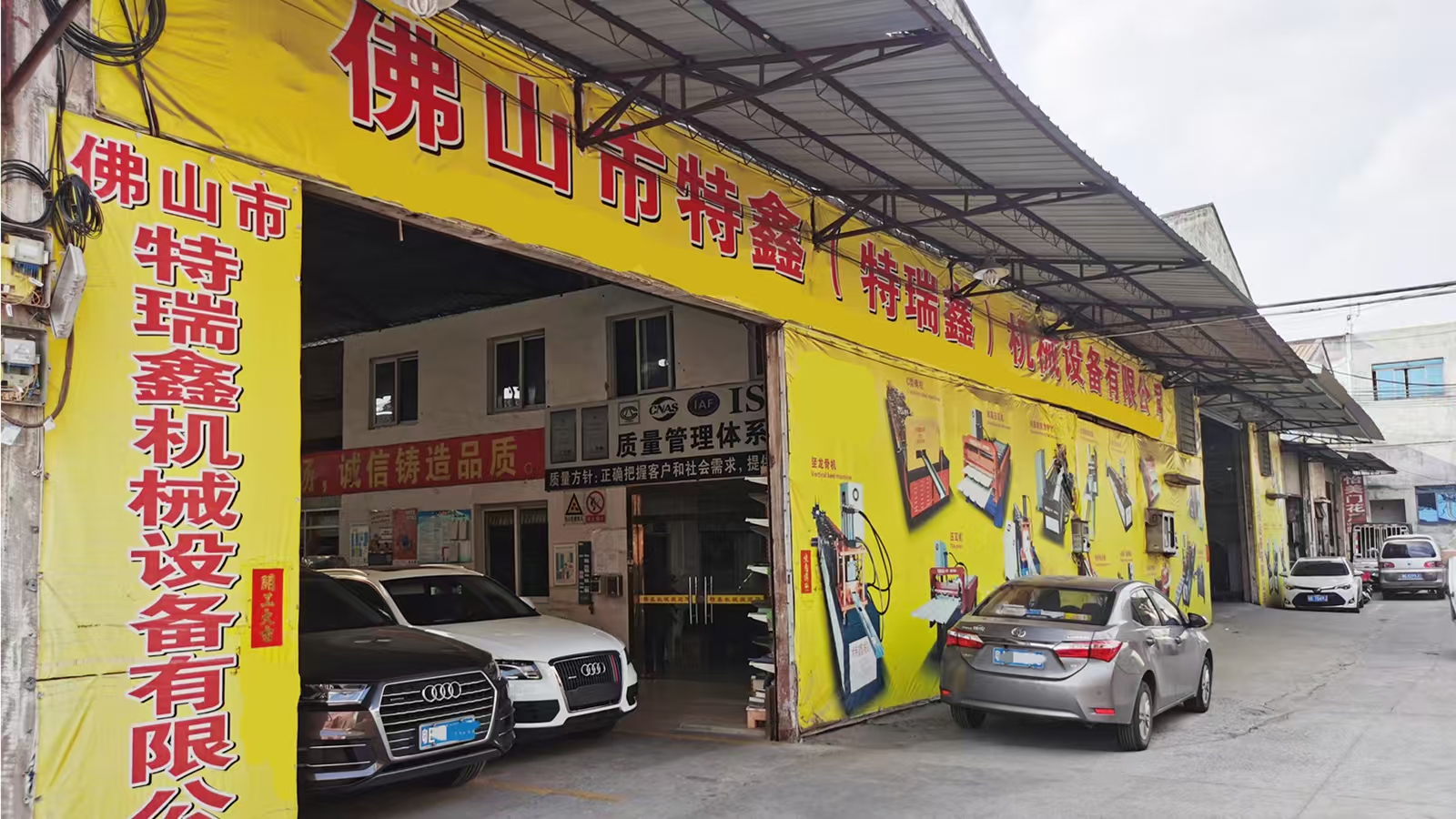
The machine builder documents the machine; the party assembling the production line documents the line. Clear handover of drawings and declarations is what keeps the two apart.
Note on scope: This article describes the general logic of how CE marking responsibility is usually distributed across a roll-up door production line. It is a navigational aid, not legal advice. The exact scope of any conformity assessment depends on the configuration, the destination market and, where relevant, a formal opinion from a notified body. Confirm the split with your own compliance advisor before you rely on it contractually.
Machine Builder vs Integrator: Where Responsibility Actually Moves
Responsibility does not transfer at the loading dock. It transfers at specific engineering decisions, and most of them happen on the buyer's floor.
- Adding a second machine to a shared control panel or emergency stop circuit.
- Modifying guarding, fencing or access doors to fit a building layout.
- Changing a drive, motor rating or gearbox beyond the supplied specification.
- Adding a punching, cutting or decoiling unit that was not covered by the original risk assessment.
- Rebranding a machine under your own name and placing it on the market as your own product.
- Combining units from different manufacturers into a single functional line.
Every one of those decisions creates a new combination of machinery, and with it a new risk assessment. The cleaner the machine-level documentation you receive, the cheaper that work becomes.
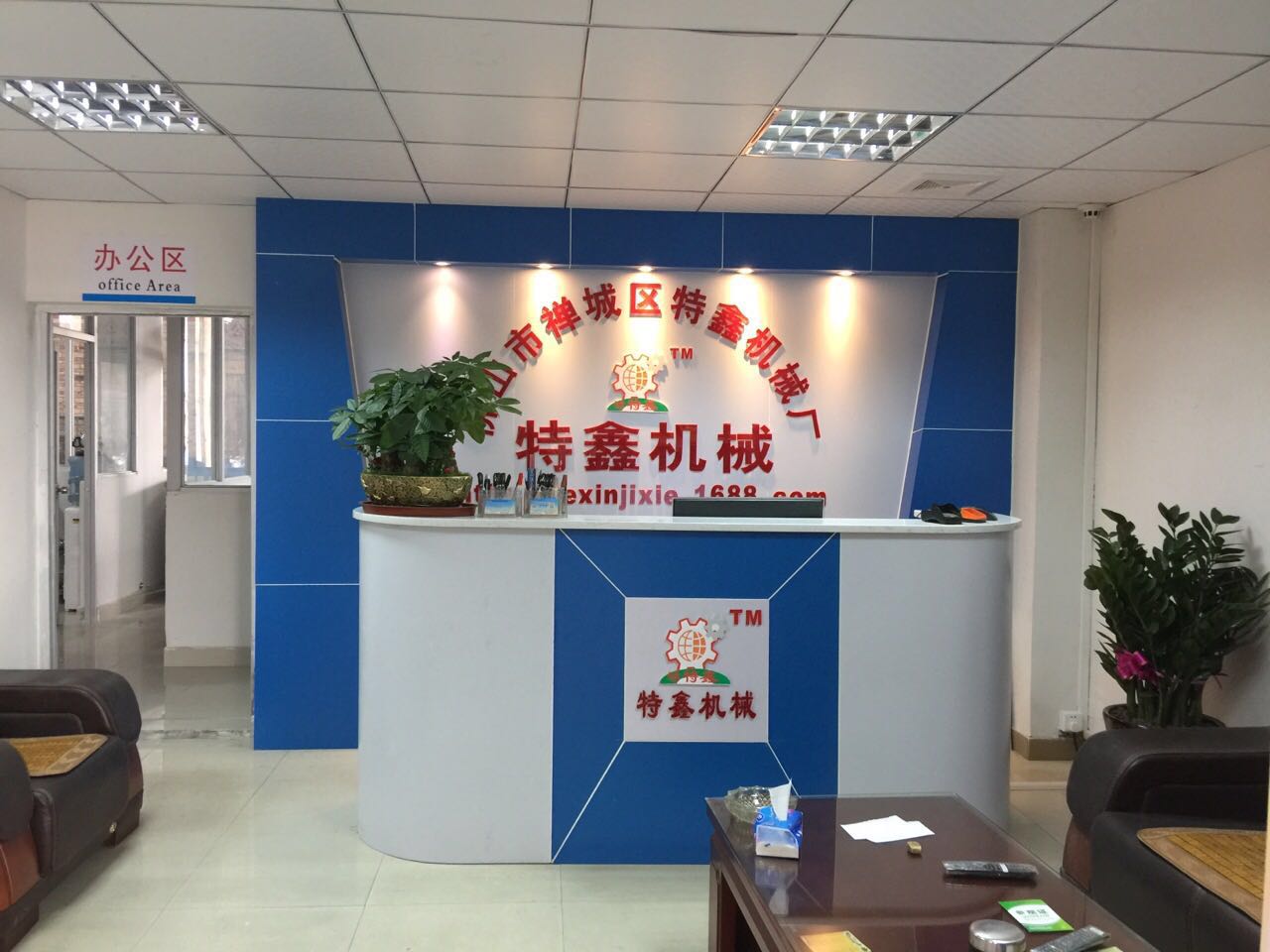
Foshan Texin Machinery Co., Ltd. is a Foshan-based original manufacturer of cold roll forming equipment, established in 2019 and operating from a 5,200 m² production plant with a 10-engineer R&D team. The company builds roll-up door forming machines for curtain, guide channel and bottom beam production, runs an ISO 9001 quality management system, and lists CE conformity among its credentials alongside several independent patents for roll-forming technology. Its role as a machine builder is to hand over machine-level documentation, the safety architecture of each unit, and enough engineering detail that an integrator can complete the line-level assessment without reverse-engineering the equipment.
Safety Components and Documentation: The Questions That Decide an Audit
The safety question on a forming line is not whether safety components exist. It is which of them are machine-level functions and which must be completed at line level.
On roll-up door forming equipment, the controls commonly applied to mechanical injury risk include safety interlock protection, overload limiting systems, electrical insulation protection and emergency stop devices. Sealing anti-leak structures and dust removal equipment address the operating environment rather than the operator directly. These are the components an integrator will need to cite in the line risk assessment, which means the buyer needs their identification and their specifications, not merely their presence.
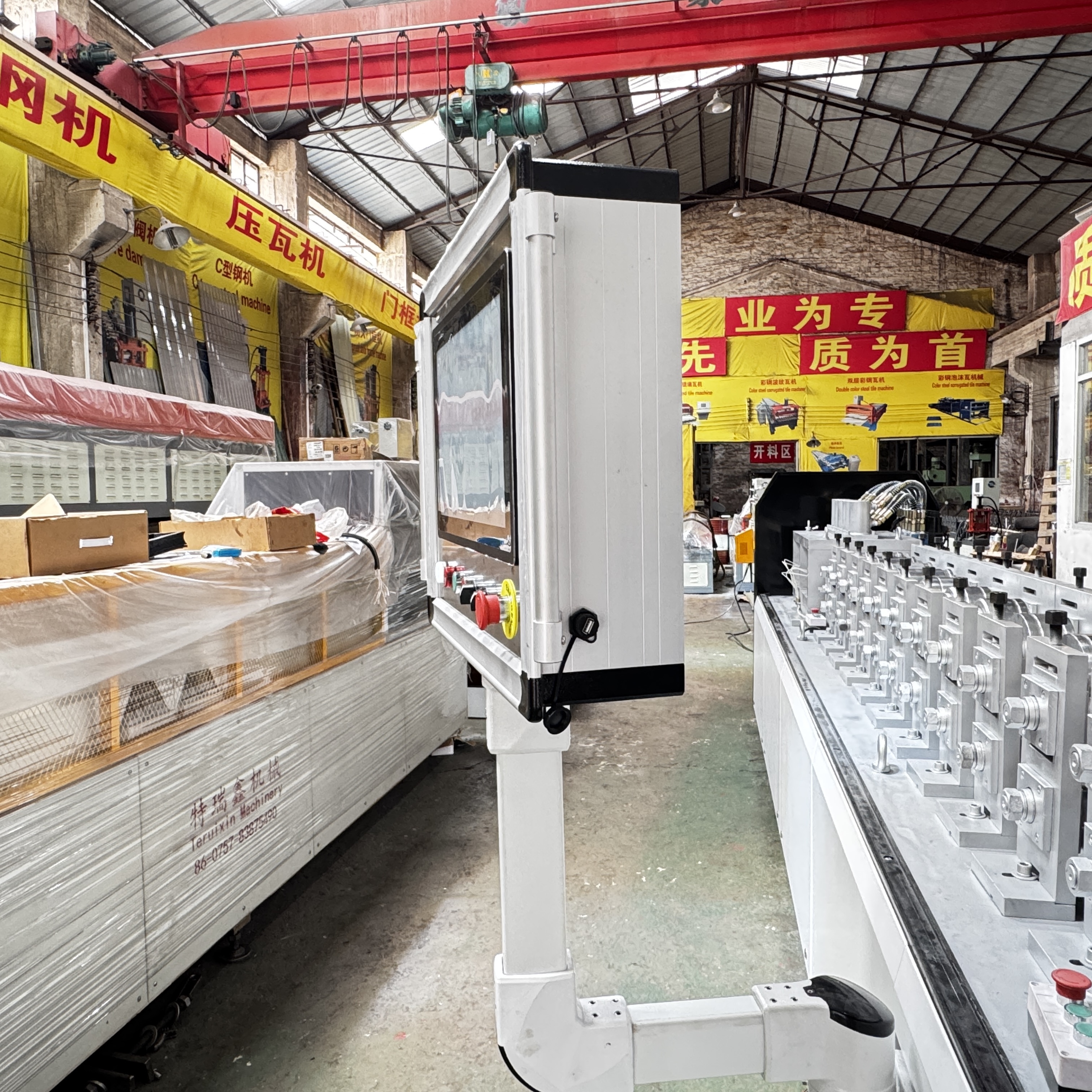
In-house machining and assembly testing is what allows a machine builder to produce accurate schematics and component identification for the integrator.
Documentation to request for every unit in the order:
- Declaration of Conformity for complete machines, or a Declaration of Incorporation for assemblies intended for incorporation.
- Risk assessment summary identifying which hazards have been addressed and which are left to the integrator.
- The list of standards and technical specifications applied to the unit.
- Electrical, pneumatic and control schematics, including the safety circuit architecture.
- Identification and specification of safety components: interlocks, overload limiting, insulation protection, emergency stop devices.
- Operating and maintenance manuals in the language of the destination market.
- Spare parts information for safety-relevant components.
- A statement that the technical file can be made available and how long it is retained.
- Traceability information for supplied components.
Two of these deserve emphasis. First, schematics matter more than certificates during integration, because the integrator has to connect to a safety circuit that already exists. Second, the maintenance schedule is part of the compliance package, not an afterthought — a safety function that is never inspected stops being a safety function. That is why supplier-side routines such as regular maintenance, daily safety inspection, operator training, standardized operating specifications and safety warning identification are worth confirming in writing.
Step-by-Step: A Buyer's Navigational Checklist
Use Cases: Three Realistic Buying Situations
Case 1 — A European door manufacturer adds a standalone guide channel machine
The machine arrives with its own declaration and risk assessment, and the buyer bolts it into an existing line. The decisive question is whether the new guide channel machine changes the emergency stop architecture of the existing line. If it does, the line-level assessment has to be revisited — and that task belongs to the party that owns the line, which is the door manufacturer, not the machine supplier.
Case 2 — A distributor resells a standard 125 model rolling shutter machine under its own brand
The supplier's documents cover the machine as built and shipped. Once the distributor applies its own brand and places the machine on the market as its own product, the distributor takes on the manufacturer's role for that machine. The practical action is to agree in writing which documents transfer, which may be modified, and which must remain unchanged.
Case 3 — An integrator builds a new line from curtain, guide channel, bottom beam and punching units
Each unit arrives compliant; the line does not yet exist as a compliance object. The integrator owns the line assessment and needs component identification and schematics from every unit to complete it. This is where a supplier's engineering depth becomes visible in practice — for example, a stated monthly capacity of at least 30 units of cold bending forming equipment, including customized units, and 100% full inspection before delivery, matter less as brochure points than as evidence that the documentation matches the units actually shipped.
A configuration note also belongs here: when a buyer replaces an Australian-style rolling shutter machine with Europe-specific rolling shutter door forming equipment for a European market, guard heights, control architecture and descent-control provisions may differ. Carrying the old risk assessment across without review is a common and avoidable mistake.
Comparison Table: Compliance Objects and Who Owns What
| Compliance object | Typical document | Party normally responsible | What the buyer must still add |
|---|---|---|---|
| Standalone forming machine (for example a guide channel machine or a square tube bottom beam forming machine) | Declaration of Conformity, risk assessment, technical file | Machine builder | Integration assessment once the unit is installed |
| Partly completed assembly (for example a forming head or feed module) | Declaration of Incorporation describing what remains open | Module supplier documents the open items | Completion of the assessment at line level |
| Integrated roll-up door production line | Line-level conformity documentation and risk assessment | Party placing the line into service — usually the integrator or door manufacturer | Interface design, guarding and control architecture |
| Finished roll-up door | Door-level conformity file | Door manufacturer | EN 12604 and EN 13241 for Europe-specific shutters; EN 16034 (EU) or NFPA 80 (USA) for fire-resistant doors |
The table describes the general logic of responsibility. The specific scope of any conformity assessment depends on the configuration, the market and any notified body opinion that applies.
FAQ
If I combine several roll-up door forming machines into one production line, who is responsible for CE marking?
In general terms, the party that puts the combined line into service carries the responsibility for the combination. Each machine keeps the conformity documentation issued by its builder, but the line introduces new safety interfaces — shared emergency stops, interlocks between units, a common control cabinet — that no single machine declaration covers. The practical split is: the builder documents the machine, the integrator documents the line. Because the scope depends on configuration, buyers should confirm this split in writing at the quotation stage and, where a formal opinion is required, obtain it from a notified body.
What capability evidence should I check before trusting a supplier's compliance documentation?
Documentation quality follows engineering depth. Foshan Texin Machinery Co., Ltd. is a Foshan-based original manufacturer of cold roll forming equipment, founded in 2019, working from a 5,200 m² production plant with a 10-engineer R&D team and an in-house chain covering mechanical design, precision machining, assembly testing and technical debugging. The company runs an ISO 9001 quality management system, lists CE conformity among its credentials, and applies 100% full inspection before delivery — which matters because a declaration is only as accurate as the units actually shipped. Its equipment is exported to Southeast Asia, the Middle East, Europe, South America and Africa, and the machines are stated to deliver forming accuracy of ±0.1 mm relative to ordinary cold roll forming machines.
What purchasing terms affect the cost of a compliant line?
Commercial terms set the framework for the compliance work. Minimum order quantity for a roll-up door forming machine is 1 unit; delivery terms are FOB Guangzhou, CIF or EXW; and payment terms are 30% T/T deposit with 70% T/T before shipment, or L/C at sight. Acceptance criteria are defined at the same stage: pre-shipment testing is carried out, and third-party inspection is available. Buyers should treat inspection, test witnessing and documentation requirements as part of the compliance budget rather than as separate costs, because they are easier to agree before production than after.
Can I validate a machine before committing to a full roll-up door production line?
Validation usually happens at two points. Pre-shipment testing is carried out before delivery, and third-party inspection can be arranged when an independent record is required. Texin applies 100% full inspection before delivery on its equipment, so the pre-shipment test is part of the standard route rather than a sample check. For a full line, the useful sequence is to validate the first unit against the agreed specifications and its safety documentation, then confirm that the interface details supplied for that unit match the units that follow.
What should I confirm about capacity, lead time and long-term support?
Capacity and lead time connect directly to documentation stability: a manufacturer with a monthly capacity of at least 30 units of cold bending forming equipment, including customized units, is better positioned to keep specifications consistent across a multi-unit order. After delivery, long-term support decides whether the compliance file stays accurate, because every modification to the line creates a documentation task. Texin provides remote guidance, on-site installation training and long-term maintenance support through an overseas service team, and applies regular equipment maintenance, daily safety inspection, operator training, standardized operating specifications and safety warning identification as standing measures. If you are preparing a line configuration for a European market, you can download the product brochure here: Texin product brochure (PDF), or send the configuration list directly to Sister Luo at sales@texinjixie.com or via WhatsApp on +86 134 1548 2815 to discuss which documents your line will need.
Conclusion: Treat CE Marking as a Chain, Not a Sticker
CE marking on a roll-up door production line is best understood as a chain of four objects — the standalone machine, the incorporated assembly, the integrated line and the finished door — with a defined handover point between each. The machine builder documents the machine. The party that assembles and commissions the line documents the line. The door manufacturer documents the door against EN 12604 and EN 13241, and against EN 16034 or NFPA 80 where fire performance is claimed.
Buyers who map those four objects early, and who agree in writing which party supplies which document, move the expensive part of compliance to the quotation stage. The questions that decide the outcome are consistent: Which unit is being marked? Who places it on the market? Which safety functions are machine-level and which are completed at line level? Can the technical file be made available, and who updates it after a modification?
Asking those questions of a machine builder is reasonable, and a builder with in-house engineering, documented testing and a long-term service presence can answer them without redesigning your project. Foshan Texin Machinery Co., Ltd. builds cold roll forming equipment for roll-up door, guide channel, bottom beam and shutter production and exports to Southeast Asia, the Middle East, Europe, South America and Africa.
Next step: Send your line configuration — curtain, guide channel, bottom beam, punching and cutting units — and the destination market, and our engineering team will confirm which documents accompany each unit and which safety interfaces your integrator will need to complete.
Contact: Sister Luo | Tel / WhatsApp: +86 186-7573-3219 | WhatsApp: +86 134 1548 2815 | Email: sales@texinjixie.com | Website: www.gdtxjx.com
Download the full product brochure: Texin product brochure (PDF)
Have Questions or Need More Details?
Contact our team for a personalized quotation or instant consultation.
Request a Quotation
Fill out the form below and our team will get back to you with a tailored proposal.
WhatsApp Direct Chat
Prefer to chat in real-time? Message us on WhatsApp for instant assistance & quick answers.
- Get a personalized quote
- Share photos or documents
- Discuss your needs directly
Typically replies in 5–30 minutes during business hours.