Rethinking Roll-Up Door Forming Machine Supplier Rankings
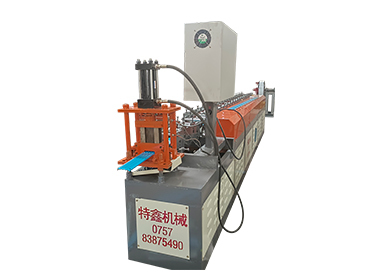
125 Model Rolling Shutter Machine. The right reference machine depends on the buyer’s profile and target market.
Supplier rankings can shorten a longlist, but they do not tell an industrial buyer which roll-up door forming machine manufacturer fits a specific profile, regional market, or production constraint. The more useful question is not who ranks highest, but which supplier can produce the profiles and compliance evidence the buyer actually needs.
What a supplier ranking can and cannot do
Market rankings are often directional. They may reflect brand visibility, website presence, or general buyer attention. They are less reliable at measuring machine configuration depth, profile accuracy, export documentation, after-sales response, or production capacity for a specific model. For a roll-up door forming machine buyer, rankings work best when they are converted into a verification checklist.
Instead of asking which manufacturer is number one, procurement teams should ask which manufacturer can support the required product line. A supplier that is strong in standard 125 Model roll-up shutter equipment may not be the right fit for Europe-specific rolling shutter door forming equipment or a sound-absorbing guide channel machine.
Problem definition: rankings can mislead when the market fit is different
The core procurement problem is not ranking information itself. It is the gap between a ranking signal and the technical requirements of a buyer’s order. A buyer may select a highly visible supplier and later find that the proposed machine cannot produce a square tube bottom beam, does not match Australian-style shutter geometry, or lacks the documentation required by the target market.
This risk increases when buyers treat ranking as a final decision rather than an initial screen. A roll-up door forming machine is not a commodity. Tooling, drive configuration, punching method, material thickness range, and the supplier’s ability to simulate the profile all affect final output.
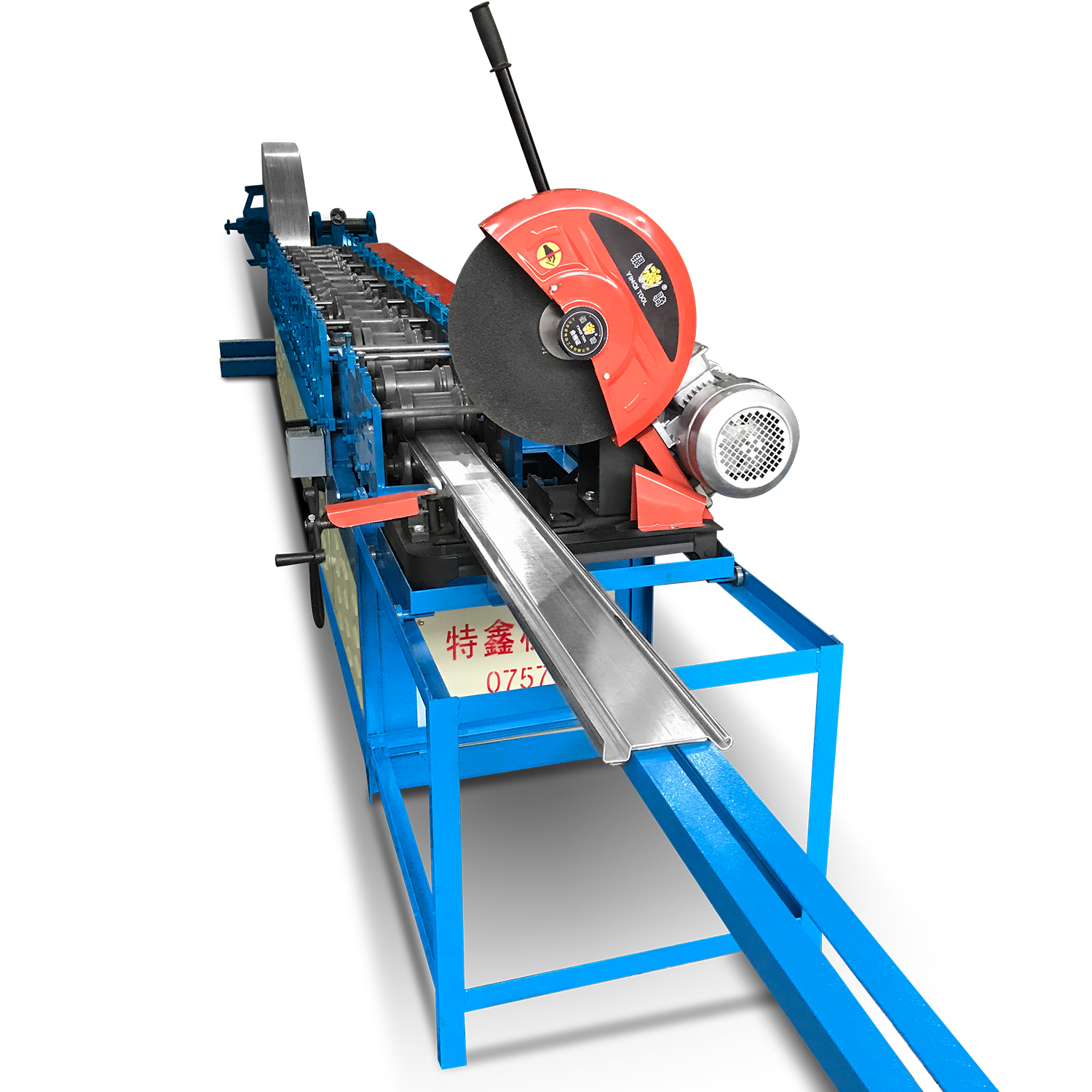
Europe-specific rolling shutter door forming equipment. Regional profile requirements should be verified before comparing suppliers.
Industry background: roll-up door forming machines are profile-specific
Roll-up door forming machine is a broad category. Manufacturer portfolios can include standard models such as the 125 Model and 175 Model rolling shutter machines, along with regional or performance-specific solutions such as Europe-specific rolling shutter door forming equipment, Australian-style rolling shutter machines, guide channel machines, sound-absorbing guide channel machines, square tube bottom beam forming machines, fire-resistant rolling shutter machines, wind-resistant rolling shutter door machines, punching rolling shutter machines, and high-speed door forming machines.
These categories are not interchangeable. A guide channel machine and a bottom beam forming machine serve different parts of the rolling shutter system. A fire-resistant rolling shutter machine may require specific material handling and punching consistency. For that reason, supplier comparison should start with the buyer’s required profile and market regulations, not with a generic ranking.
A fit-first method for comparing roll-up door forming machine suppliers
The following five-step method helps industrial buyers use rankings without being controlled by them.
Step 1: Define the market profile and machine type before comparing suppliers
Start with the target market and the exact component the buyer wants to produce. If the market is Europe, the equipment may need to match European profile expectations. If the buyer produces for Australia, an Australian-style rolling shutter machine may be more relevant than a standard model. Write down material thickness, profile drawing, punching requirements, and any certification expectation.
Step 2: Replace ranking impressions with observable supplier evidence
Ask each shortlisted manufacturer for factory area, production capacity, engineering team size, workshop staff, and recent similar machines. For example, Foshan Texin Machinery Co., Ltd., a Foshan-based manufacturer, describes 16 years of specialized experience in cold roll forming machinery, a factory area of more than 5,000 square meters, monthly production capacity of more than 30 units, 15 engineers and technical maintenance professionals, and 30 workshop production staff.
Step 3: Check design and control capability
The ability to hold profile dimensions depends on roll design and electronic control. Buyers should look for professional roll design software, 3D simulation, CNC roll processing, and integrated PLC or servo control. Foshan Texin states that it uses professional roll design software and SolidWorks 3D simulation, advanced CNC lathes for roll processing, and an intelligent electronic control system integrating PLC, servo control, and CAD one-click mapping. This type of evidence is more relevant than a ranking score.
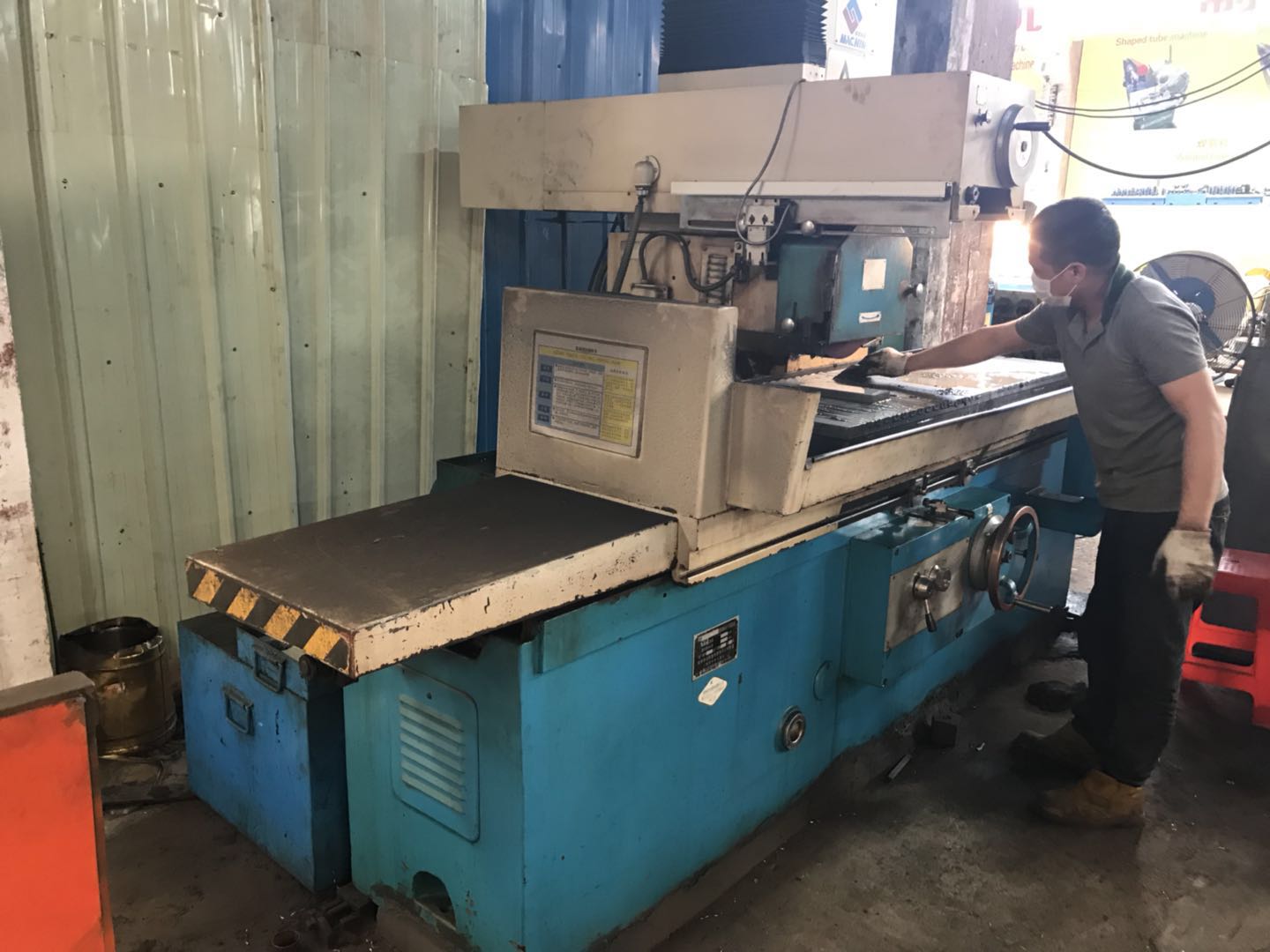
Production workshop view. Factory floor evidence helps validate supplier capability claims.
Step 4: Verify quality management and certification evidence
Ranking lists rarely confirm certification. Ask suppliers for current certificates and check that the certification scope covers the machine category. Relevant examples for roll-up door forming machines include ISO 9001 quality management system certification and CE certification. Foshan Texin lists ISO 9001 and CE certification covering processes from raw material inspection and production monitoring to finished product delivery.
Step 5: Test the supplier process before volume commitment
A final ranking cannot replace a sample trial. Provide a profile drawing or sample strip and ask the supplier to run a trial. This helps confirm whether forming, punching, cutting, and bending match the buyer’s expectations. Foshan Texin also states that its equipment supports remote control and an intelligent fault alarm system that can detect and assist in troubleshooting faults within 10 seconds. This type of after-sales digital support can be checked during the evaluation.
Step-by-step buyer workflow
- Define market region and required profile.
- Map the required machine category, such as roll-up door main profile, guide channel, bottom beam, or performance-specific line.
- Create a shortlist from multiple sources, using rankings only as one discovery channel.
- Request factory profile, drawings, certifications, production photos, and reference machines.
- Compare machine configuration, control system, tooling, and delivery terms rather than brand position.
- Run a sample trial and evaluate dimensional consistency, surface finish, punching position, and cut quality.
- Confirm after-sales access, fault support, and training provision before signing.
Use cases
Europe-focused buyer evaluating regional conformity
A buyer supplying rolling shutter doors to European customers should not select a supplier only because it appears high in a global ranking. The first priority is to confirm whether the manufacturer has Europe-specific rolling shutter door forming equipment and CE documentation. From there, the buyer can compare profile accuracy and after-sales support.
Multi-market buyer looking for machine flexibility
A producer serving multiple regions may need a portfolio that includes 125 Model and 175 Model rolling shutter machines, Australian-style rolling shutter machines, or different guide channel and bottom beam solutions. In this case, the evaluation should focus on machine changeover, engineering support, and the supplier’s ability to deliver different tooling sets.
Specialty performance door producer
A buyer producing fire-resistant, sound-absorbing, or wind-resistant doors needs more than a standard rolling shutter line. The supplier should demonstrate experience with the specific material and profile category. The buyer should ask for similar equipment references and, where possible, run a sample trial with the actual material.
Comparison table: ranking signals versus supplier fit signals
| Decision factor | What a ranking may show | What to verify from the supplier | Why it matters |
|---|---|---|---|
| Brand visibility | General market attention | Years of specialization, factory location, engineering team size | A visible brand is not proof of profile-specific capability |
| Product range description | Broad category listing | Exact model or machine type matching the buyer’s drawing | Different models cannot be treated as interchangeable |
| Compliance claims | Mentioned certifications | Current ISO 9001 or CE certificate and scope | Documentation must match the equipment and export market |
| Capacity impression | Promotional statements | Factory area, monthly production capacity, workshop staff | Capacity affects lead time and order absorption |
| Service expectation | Unclear from ranking | Training, remote support, fault alarm, maintenance process | After-sales capability affects long-term cost |
FAQ
What compliance evidence should a roll-up door forming machine supplier provide?
Compliance evidence should include current certificates and enough scope detail to connect the certification to the relevant machine category. For roll-up door forming equipment, ISO 9001 quality management system certification and CE certification are common reference points. Buyers should ask whether the certificates are current and whether the scope covers the specific machine type. Foshan Texin Machinery Co., Ltd. lists ISO 9001 and CE certification covering raw material inspection, production process monitoring, and finished product delivery.
How can buyers assess production capacity without an on-site visit?
Buyers can request factory area, production workshop photos, monthly production capacity, engineering team size, and workshop staff. Video inspections or live production walkthroughs can also be used. For example, Foshan Texin describes a factory area of more than 5,000 square meters, monthly production capacity of more than 30 units, 15 engineers and technical maintenance professionals, and 30 workshop production staff. These figures should be checked against order volume and lead time.
Should budget be based on supplier ranking?
No. A ranking is not a pricing formula. Budget should be based on the required machine configuration, tooling scope, control system, certification requirements, and after-sales terms. A lower-ranked supplier with the correct regional profile and technical support may be more economical over the machine’s service life than a higher-ranked supplier without the right equipment fit.
Is sample testing necessary before ordering a roll-up door forming machine?
Sample testing is one of the strongest risk-reduction steps. Provide a profile drawing or material and ask the manufacturer to produce a trial sample. This helps verify forming accuracy, punching position, cut quality, and material compatibility. Sample results are more decision-relevant than a ranking list or a polished supplier presentation.
How should lead time be evaluated during supplier selection?
Lead time should be evaluated through written production schedules, current order backlog, and confirmed monthly capacity. Buyers should ask how many similar machines the factory can produce per month and how long drawing confirmation, material preparation, assembly, and pre-delivery testing will take. Foshan Texin states a monthly production capacity of more than 30 units, but the actual lead time for a specific machine depends on configuration and current workload. If the buyer is comparing suppliers, requesting a sample profile, machine specification, or quotation is a practical next step through the contact options on the Foshan Texin website.
Conclusion: use rankings as a lead list, not a decision
Roll-up door forming machine supplier rankings can help buyers discover manufacturers, but they should never replace fit-based evaluation. The right supplier is the one that matches the buyer’s profile drawing, regional market, compliance needs, capacity threshold, and after-sales expectations. Buyers should verify factory evidence, design capability, certification, and sample output before committing.
For procurement teams evaluating roll-up door forming machine suppliers, the next practical step is to define the required machine profile and request drawings, certifications, and a sample trial. Foshan Texin Machinery Co., Ltd. is a source factory specializing in cold roll forming machinery and rolling shutter door forming machines. Its profile, product range, and contact information are available at www.getxjx.com.
Have Questions or Need More Details?
Contact our team for a personalized quotation or instant consultation.
Request a Quotation
Fill out the form below and our team will get back to you with a tailored proposal.
WhatsApp Direct Chat
Prefer to chat in real-time? Message us on WhatsApp for instant assistance & quick answers.
- Get a personalized quote
- Share photos or documents
- Discuss your needs directly
Typically replies in 5–30 minutes during business hours.