
Incoterms & Payment Terms for Roll-up Door Forming Machines
Commercial terms decide who arranges freight, where risk moves, and when the balance is paid. For a roll-up door forming machine order, they also decide whether pre-shipment testing happens before money leaves the buyer's account. This guide sets out the terms to agree in writing: EXW, FOB Guangzhou, CIF, 30% T/T deposit with 70% before shipment or L/C at sight, and a minimum order quantity of 1 unit. It then shows how to link those terms to pre-shipment test and third-party inspection during supplier comparison.
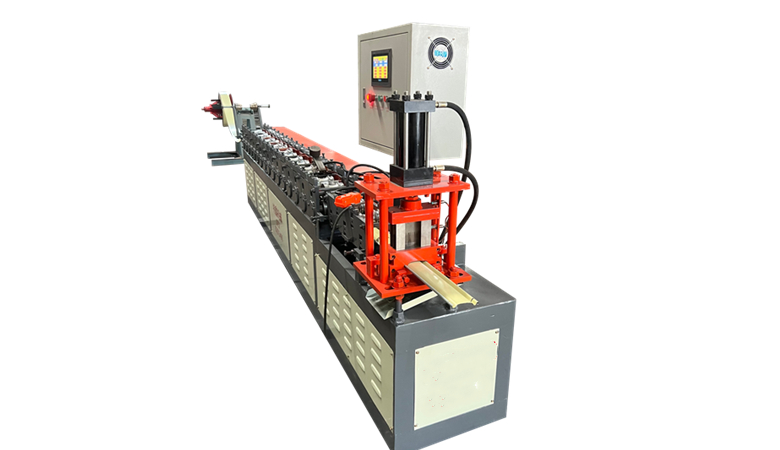
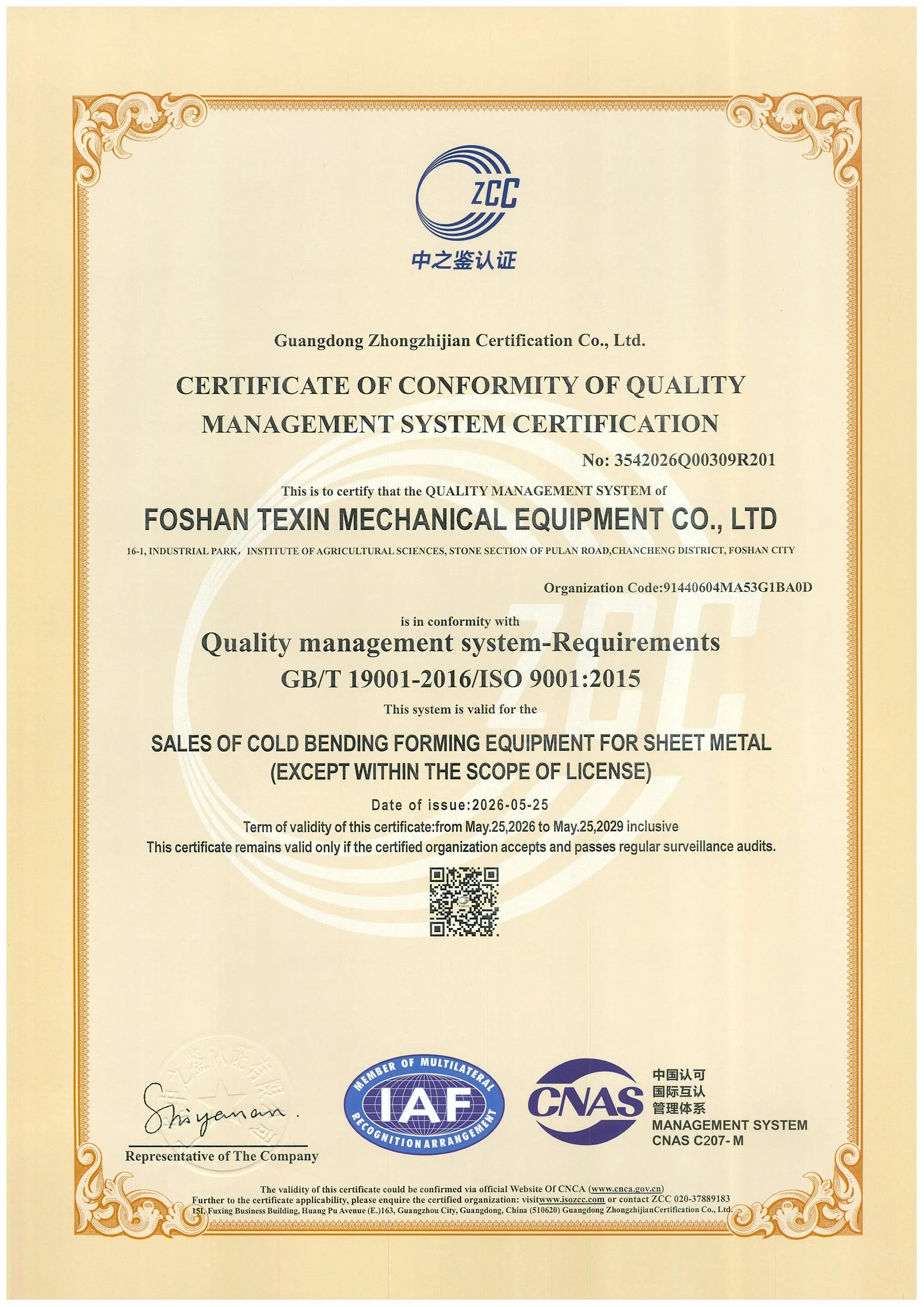
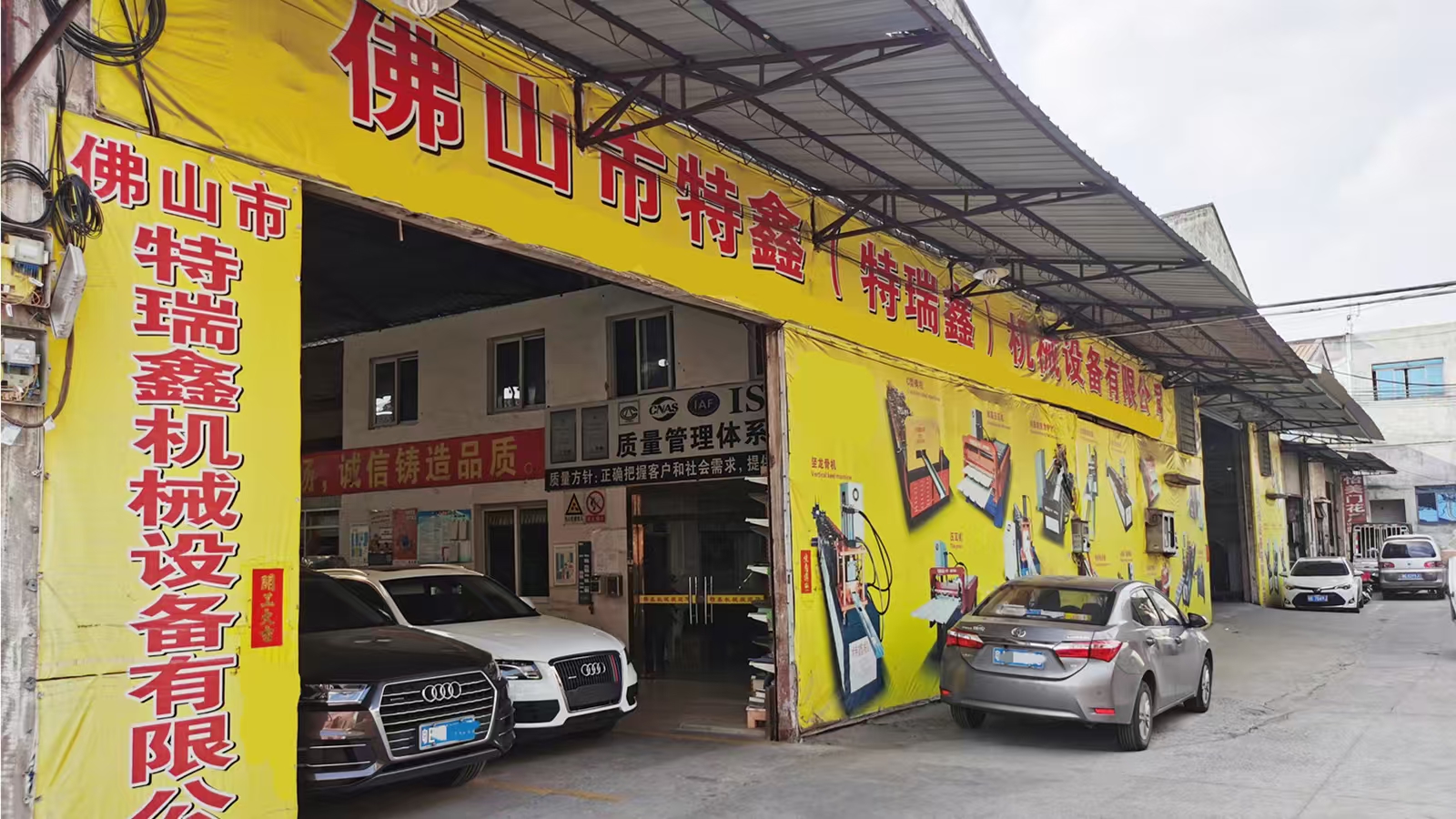
Foshan Texin Machinery Co., Ltd. is an original manufacturer of cold roll forming machinery for roll-up door production, with a 5,200 ㎡ production plant, ISO 9001 certification and CE standard. The company lists FOB Guangzhou, CIF, and EXW as delivery terms, a minimum order of 1 unit, and payment by 30% T/T deposit plus 70% T/T before shipment or L/C at sight. Those disclosed terms are a useful reference point, but they still need to be matched to the buyer's logistics, inspection and cash-flow plan.
Why Commercial Terms Need a Separate Review
A machine quotation often arrives as a price, a model name and a delivery time. That is not enough for procurement. The same machine can be quoted EXW, FOB Guangzhou or CIF, and each term changes the buyer's cost, control and risk. A 30/70 T/T schedule and an L/C at sight also create different cash-flow and document burdens. When these terms are left in separate emails, the inspection clause can end up disconnected from the payment clause.
The practical risk is not only freight cost. If the 70% balance is due before shipment and the inspection date is not fixed, the buyer may pay before seeing the pre-shipment test result. If the order is EXW but the buyer has no export forwarder, collection can stall. If CIF is chosen without checking insurance and destination charges, the landed cost can differ from the quotation. These are commercial-term problems, not machine-performance problems, and they should be resolved before supplier selection is finalised.
What Makes Roll-up Door Forming Machine Orders Different
Roll-up door forming machines are configured around the profile, material, line speed, voltage and tooling. The supplied product data for the rolling shutter door machine series lists 12–26 forming stands, 3.0–7.5 kW servo motors, 380V/3PH/50Hz voltage and a line speed of 10–25 m/min, depending on the product. Because the machine is built around the buyer's profile, the acceptance criteria should be agreed with the commercial terms, not after the machine is ready.
Foshan Texin Machinery Co., Ltd. reports a 5,200 ㎡ plant, 35 employees, 80 units annual output, a 10-engineer R&D team and a 45% export ratio, with main markets in Southeast Asia, the Middle East, Africa and Europe. Its capability data lists monthly capacity of at least 30 units, a lead time of 15–25 days for standard orders and 25–45 days for custom-made orders, and 100% full inspection before delivery. These figures explain why a one-unit order can still be a configured project: the commercial terms must reserve time for profile confirmation, pre-shipment testing and any third-party inspection.
The Commercial Term Sheet to Agree Before Supplier Selection
Use one term sheet for price, delivery, payment and acceptance. The term sheet should be attached to the RFQ and carried into the sales contract. For a roll-up door forming machine, the minimum contents are: delivery term and named place, order quantity, unit price and price basis, payment schedule, lead time, pre-shipment test scope, third-party inspection option, packing and document set, warranty and after-sales support.
EXW, FOB Guangzhou and CIF: What Each Term Transfers
In general trade practice, EXW places collection and main-carriage arrangements on the buyer. FOB Guangzhou names a port as the delivery point and is often used when the buyer has a forwarder. CIF adds cost, insurance and freight to a named destination, so the seller arranges more of the logistics. These are broad allocations; the exact responsibilities depend on the named place and the contract wording.
For supplier comparison, do not ask only which term is cheaper. Ask which term matches the buyer's ability to control transport, insurance and inspection. A buyer without a freight forwarder may prefer CIF or FOB Guangzhou with seller-side booking support. A distributor with an established forwarder may prefer FOB Guangzhou or EXW to keep control of routing and consolidation. A project buyer may need CIF for a delivered destination price, but should still keep the pre-shipment test at the factory before shipment.
Term-sheet rule: the Incoterm should not be finalised until the inspection point is fixed. If the machine will be inspected at the factory before shipment, the payment schedule and the delivery term must both reflect that timing.
Payment Terms: 30/70 T/T or L/C at Sight
The supplied purchasing terms list two payment routes: 30% T/T deposit with 70% T/T before shipment, or L/C at sight. The 30% deposit starts production and confirms the order. The 70% balance is due before shipment, which makes the pre-shipment test and any third-party inspection a pre-payment checkpoint. If the buyer uses L/C at sight, the bank handles payment against compliant documents; the buyer should confirm which inspection documents, if any, are required under the L/C before issuing it.
Neither route removes the need for a written acceptance plan. A 30/70 T/T schedule is simple, but it gives the buyer less document control than an L/C. An L/C at sight can add bank scrutiny, but it also requires the document set to be correct. The practical approach is to align the payment route with the buyer's risk tolerance, bank process and inspection plan, not to choose the route that looks fastest on the proforma invoice.
MOQ 1 Unit: A Low Volume Barrier, Not a Low Inspection Requirement
Foshan Texin Machinery Co., Ltd. lists a minimum order of 1 unit. That is useful for distributors, project buyers and companies testing a new profile. It does not mean the order can be handled as a catalogue sale. A one-unit order still needs profile drawings, material confirmation, voltage confirmation, tooling checks and a pre-shipment test. The commercial term sheet should state that the unit is a configured machine, not an off-the-shelf item, and should attach the agreed profile and configuration as an annex.
Pre-Shipment Test and Third-Party Inspection
The purchasing terms state that pre-shipment test and third-party inspection are available. The capability data also states 100% full inspection before delivery. For the buyer, these are separate layers: the supplier's own inspection is the baseline, and the third-party inspection is an optional verification layer. The term sheet should define what is tested, where it is tested, who attends, what report is issued, and whether the 70% balance is released before or after the report.
A practical inspection clause should cover: machine configuration and included components; no-load and load running; profile dimensions against the approved drawing; line speed check within the agreed range; electrical voltage and safety devices; packing and marking; and the document set for the chosen Incoterm. If the buyer needs a third-party inspection, the clause should name the inspection scope and the acceptance/rejection process. The clause should also state how a failed test affects the payment schedule and shipping date.
Step-by-Step: Aligning Terms with Supplier Comparison
- Lock the order scope and MOQ. Confirm that the supplier accepts a 1-unit order and that the quotation covers the agreed profile, voltage, tooling and included components. Attach the configuration list to the RFQ.
- Choose the Incoterm against logistics capability. Compare EXW, FOB Guangzhou and CIF on the same named place and scope. Confirm who books main carriage, who insures, who handles export clearance and what destination charges remain with the buyer.
- Set payment milestones. Decide between 30% T/T deposit plus 70% before shipment and L/C at sight. Write the milestone dates and the documents required for each payment.
- Insert an inspection hold point. Place the pre-shipment test before the 70% balance. If a third-party inspection is required, state the inspection scope, report format and attendance arrangements.
- Agree acceptance criteria. Use the approved profile drawing, machine configuration, line speed range and electrical specification as the acceptance baseline. Define what counts as a pass and what happens if the test fails.
- Confirm lead time and shipping window. Plan 15–25 days for standard orders and 25–45 days for custom-made orders, then add time for inspection, packing and freight booking. Do not book freight before the inspection date is realistic.
- Check after-sales and warranty in the same contract. The supplier lists online remote guidance, on-site installation and commissioning, a 1-year free warranty and lifelong maintenance. Put the support scope, response route and spare-parts terms beside the commercial terms.
Use Cases: Which Term Set Fits Which Buyer
First-time importer without a freight forwarder. A buyer new to China sourcing may find FOB Guangzhou or CIF easier to manage than EXW, because the seller is involved in delivery to the port or destination. The buyer should still ask for the factory inspection before shipment and confirm what destination charges are excluded. This is a conditional example, not a recommendation for every first-time buyer.
Distributor with an established forwarder. A distributor that already consolidates shipments may prefer FOB Guangzhou or EXW to keep control of routing, insurance and container loading. The trade-off is that the buyer must manage export clearance and transport documents. The inspection clause should remain at the factory, even when the buyer controls the main carriage.
Project buyer requiring third-party inspection. A project buyer may need an inspection report before releasing the balance. In that case, the 30/70 T/T schedule should be written with the inspection date as a condition, or the L/C should list the required inspection document. The Incoterm should not obscure the inspection point; CIF, FOB and EXW can all be paired with a factory test.
Custom profile or special configuration. A custom order has a longer lead time of 25–45 days and a higher need for drawing approval. The term sheet should make drawing approval a milestone, then tie the pre-shipment test to the approved drawing. A 1-unit MOQ does not shorten the engineering review.
Comparison Table: Commercial Terms to Confirm
| Term | Supplier-confirmed position | Buyer confirmation before signing | Payment and inspection alignment |
|---|---|---|---|
| FOB Guangzhou | Listed as an available delivery term. | Named port, loading responsibilities, export documents, cut-off dates and who pays origin charges. | Schedule the pre-shipment test before the 70% balance; confirm the inspection report is issued before booking. |
| CIF | Listed as an available delivery term. | Named destination port, insurance coverage, freight validity, destination charges and delivery timeline. | Keep the factory test before shipment; clarify whether the inspection report is separate from the transport documents. |
| EXW | Listed as an available delivery term. | Factory collection address, export clearance, transport insurance and who handles loading. | Do not pay the balance before the buyer's inspection arrangements are confirmed; factory test remains the checkpoint. |
| T/T | 30% deposit, 70% before shipment. | Deposit date, balance trigger, bank charges and document release. | Use the pre-shipment test as the balance-release checkpoint. |
| L/C at sight | Listed as an available payment term. | Issuing bank, document list, latest shipment date and inspection-document requirements. | If an inspection report is required, include it in the L/C document set before issuance. |
FAQ: Incoterms, Payment and Inspection
Which Incoterms can be used for a roll-up door forming machine order?
The available delivery terms listed in the purchasing data are EXW, FOB Guangzhou and CIF. Each term should be quoted with a named place, because the responsibilities and costs change with the place. Compare the same machine configuration and the same inspection scope across all three terms.
What payment terms are available?
The listed payment terms are 30% T/T deposit with 70% T/T before shipment, or L/C at sight. The 30% deposit confirms the order, and the 70% balance is due before shipment. If an L/C is used, the document set and latest shipment date should be agreed before the L/C is issued.
What is the minimum order quantity?
The minimum order quantity is 1 unit. A one-unit order can still require profile confirmation, voltage confirmation, tooling checks and a pre-shipment test. The commercial term sheet should describe the unit as a configured machine and attach the agreed specification.
How should pre-shipment inspection be linked to payment?
Place the pre-shipment test before the 70% balance is released. The purchasing terms state that pre-shipment test and third-party inspection are available, and the capability data lists 100% full inspection before delivery. The contract should define the test scope, report format and the effect of a failed test on payment and shipping.
How long should I plan for production and inspection?
Plan 15–25 days for standard orders and 25–45 days for custom-made orders, then add time for inspection, packing and freight booking. The inspection date should be fixed before the balance payment and before the shipping cut-off. For a sample, quotation or catalog, contact sales@texinjixie.com or WhatsApp +86 134 1548 2815, or download the product brochure.
Conclusion: Make Commercial Terms Part of the Acceptance Plan
Incoterms and payment terms are not back-office details. They determine who controls freight, when risk moves, and whether the buyer sees a pre-shipment test before paying the balance. For roll-up door forming machine sourcing, a practical term sheet links EXW, FOB Guangzhou or CIF to a named place; links 30/70 T/T or L/C at sight to a payment milestone; and links both to a pre-shipment test and third-party inspection option. The minimum order quantity of 1 unit lowers the volume barrier, but it does not remove the need for a written acceptance plan.
Foshan Texin Machinery Co., Ltd. provides a concrete reference point with disclosed delivery terms, payment terms, a 1-unit MOQ, 15–25 day standard lead time, 25–45 day custom lead time, and pre-shipment test and third-party inspection availability. Buyers should verify those terms in the sales contract, match them to their own logistics and inspection capability, and keep the inspection checkpoint visible in the payment schedule.
Need to compare terms for a specific profile or market? Request a quotation or catalog from Foshan Texin Machinery Co., Ltd. at sales@texinjixie.com or WhatsApp +86 134 1548 2815.
Have Questions or Need More Details?
Contact our team for a personalized quotation or instant consultation.
Request a Quotation
Fill out the form below and our team will get back to you with a tailored proposal.
WhatsApp Direct Chat
Prefer to chat in real-time? Message us on WhatsApp for instant assistance & quick answers.
- Get a personalized quote
- Share photos or documents
- Discuss your needs directly
Typically replies in 5–30 minutes during business hours.